RS PRO YGZ 1.5 mm² 3 Core Power Cable, Black Silicone, 25m
- RS Stock No.:
- 744-0985
- Brand:
- RS PRO

Unavailable
RS will no longer stock this product.
Alternative
This product is not currently available. Here is our alternative recommendation.
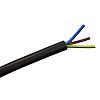
1 Reel of 25 Metre(s)
Kr. 870,78
(exc. VAT)
Kr. 1 088,48
(inc. VAT)
- RS Stock No.:
- 744-0985
- Brand:
- RS PRO
Specifications
Technical Reference
Legislation and Compliance
Product Details
Find similar products by selecting one or more attributes.
Select all | Attribute | Value |
|---|---|---|
| Brand | RS PRO | |
| Cross Sectional Area | 1.5 mm² | |
| Number of Cores | 3 | |
| Sheath Colour | Black | |
| Length | 25m | |
| Cable Type | YGZ | |
| Current Rating | 20 A | |
| Outer Diameter | 9.2mm | |
| Sheath Material | Silicone | |
| Voltage Rating | 450 V | |
| Conductor Strand Type | Stranded | |
| Conductor Material | Copper | |
| Conductor Resistance | 13.7 Ω/km | |
| American Wire Gauge | 15 AWG | |
| Number of Strands | 30 | |
| Minimum Operating Temperature | -40°C | |
| Standards Met | IEC EN 60228 Class 5, RoHS Compliant | |
| Insulation Material | Silicone Rubber | |
| Core Strands | 30/0.25 mm | |
| Size of Strands | 0.25 mm | |
| Maximum Operating Temperature | +180°C | |
| Select all | ||
|---|---|---|
Brand RS PRO | ||
Cross Sectional Area 1.5 mm² | ||
Number of Cores 3 | ||
Sheath Colour Black | ||
Length 25m | ||
Cable Type YGZ | ||
Current Rating 20 A | ||
Outer Diameter 9.2mm | ||
Sheath Material Silicone | ||
Voltage Rating 450 V | ||
Conductor Strand Type Stranded | ||
Conductor Material Copper | ||
Conductor Resistance 13.7 Ω/km | ||
American Wire Gauge 15 AWG | ||
Number of Strands 30 | ||
Minimum Operating Temperature -40°C | ||
Standards Met IEC EN 60228 Class 5, RoHS Compliant | ||
Insulation Material Silicone Rubber | ||
Core Strands 30/0.25 mm | ||
Size of Strands 0.25 mm | ||
Maximum Operating Temperature +180°C | ||
- COO (Country of Origin):
- CN
RS Pro High Temperature Silcone Insulated Mains Cable
From RS Pro a high quality 3 core flexible mains power cable with a silicone rubber sheath designed for use in high-temperature applications.
What is Mains Cable?
Mains power cable connects an appliance to a mains electricity supply through the use of a wall socket or an extension lead which will then be plugged into a mains supply
Cable Construction
This flexible cable consists of 3 cores made up of annealed tinned copper conductors or wires. Each individual core is surrounded by colour coded silicone rubber insulation for easy identification of the wire, earth, neutral and live. All 3 cores are then surrounded by a final layer of silicone rubber insulation called the sheath. This cable is made in conformance to standards class 5 as per IEC60228
Benefits of Silicone Insulated Mains Cable
Silicone insulation has an outstanding thermal range which allows this mains cable to be used in applications that require a resistance to high temperatures. Silicone rubber is also very soft so flexibility can be maintained at low temperatures and where temperatures fluctuate rapidly without the cable becoming brittle and cracking. The key features and benefits of this silicone insulated power cable can be summarised below;
Wide operating temperature range of -40 to +180°C Excellent flexibility. Silicone insulated cable can withstand higher flexing cycles than other plastic insulation types Silicone insulation prevents cables from becoming brittle and weak in fluctuating temperatures Good oil and solvent resistance Resistant to various harsh chemical substances High performance in adverse environments such as humidity and harsh UV rays. Can last for years without disintegrating Robust and able to withstand daily wear and tear Excellent electrical insulating properties
Where are These Cables Used?
Silicone insulated mains cables, with their unique properties, are ideal for use in a wide range of industrial wiring applications especially those that require high-temperature resistance or operate in harsh and demanding environments. These applications and industries include the following;
Industrial heating appliances Metallurgy industry including steel works, casting works, hot rolling mills, coking plants and foundries Glass and ceramic production lines Cement factories Ship and aircraft building Electric motors
Note
The number of strands used in the construction of the cores is nominal and may vary.